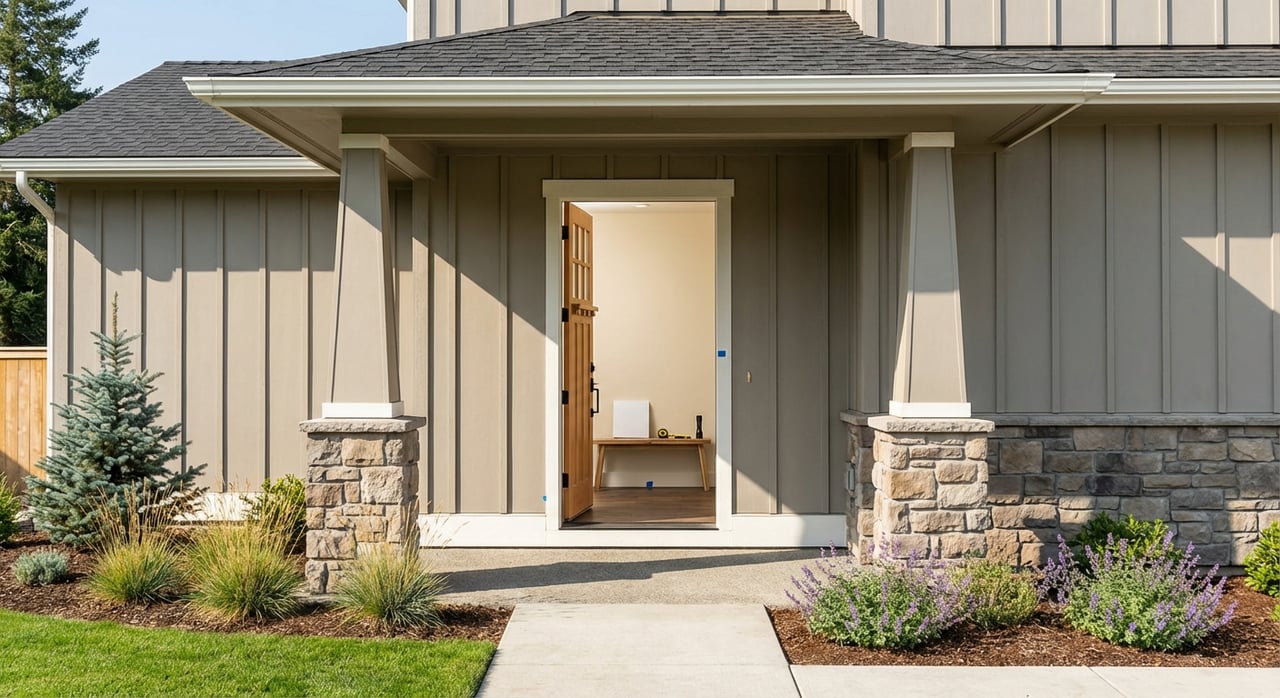
You want the clarity of a brand-new home without surprises. Buying new construction in Severance can be straightforward when you understand permits, water taps, timelines, and the protections you control. In this guide, you’ll learn how the local process works, what to verify before you sign, and how to keep your build on schedule and on budget. Let’s dive in.
How new construction works here
New builds tend to follow the same broad phases: pre-contract due diligence, contract and design selections, permitting, construction, inspections, closing, and warranty service. For a typical production or to-be-built single-family home, plan on roughly 6 to 12 months from contract to completion, with custom projects taking longer. Weather, permit backlogs, utility capacity, and materials can shift timelines, so you want everything important in writing. For a helpful national overview of phases and timing, see this summary of the homebuilding process and durations from contract to move-in at Effective Agents.
Production vs. custom paths
In Severance, you will find national and regional production builders offering preset floor plans and upgrade packages, along with occasional custom options. Production homes move fastest, and spec homes already under construction may be closest to move-in. To get a feel for current offerings and builder styles, browse local new-build listings on Homes.com.
Typical build timeline
- Sitework and utility prep: 2 to 6 weeks, including grading, footings, and utility stub-ins.
- Foundation and framing to dry-in: 4 to 10 weeks, with framing inspected before walls are closed.
- Rough-ins for electrical, plumbing, and HVAC: 2 to 6 weeks, approved by the inspector before insulation.
- Insulation, drywall, and finishes: 4 to 10 weeks. Cabinets, flooring, paint, and trim follow.
- Final inspections, Certificate of Occupancy, and closing: lender clearance follows final approvals. See a phase-by-phase breakdown at Effective Agents.
Permits, codes, and inspections
Who issues permits
Inside town limits, the Town of Severance issues building permits and reviews applications online. The town uses inspection vendors such as SAFEbuilt to complete code inspections during construction, and posts permit and Certificate of Occupancy checklists for builders. You can review the local process on the town’s Building Permits page.
Which codes apply
Severance has adopted the 2024 International Codes with local amendments. Different permits can align with different code editions based on application date, so confirm the exact code package for your lot and permit. See the town’s Land Use Code and Construction Standards.
Final approvals and fire sign-off
Final occupancy requires passing all required building inspections and fire protection checks. Windsor-Severance Fire Rescue handles fire reviews and requires that fire and building finals are coordinated so the home can clear for move-in. Learn more about local fire plan reviews and fees at Windsor-Severance Fire Rescue and confirm how finals are scheduled on the town’s Building Permits page.
Water and utilities: what to verify first
Severance receives treated water from more than one provider, and some subdivisions rely on North Weld County Water District. North Weld previously enforced a tap moratorium that affected permits, then announced in late 2024 that development reviews could resume. Because tap availability can pause permits or delay closings, verify water-tap status for your exact lot before you sign. Start with the town’s utilities and fees overview and review coverage news from KUNC on the lifted moratorium. Have the builder confirm tap allocation in writing.
Do your lot due diligence
- Confirm jurisdiction. Some addresses that feel “Severance” can sit in unincorporated Weld County, which changes the permitting authority and inspection process. Check the Town of Severance Building Permits page and Weld County’s building and inspections page for the right authority.
- Review land-use rules and any HOA covenants. Note setbacks, height limits, and subdivision design standards that affect your plan and exterior selections. The town hosts its Land Use Code and Construction Standards online. HOA covenants will come from the developer or seller.
- Confirm school district boundaries if schools are a factor in your decision. Most Severance addresses are served by Windsor-Severance Weld RE-4. Verify boundaries directly with the district at Weld RE-4 Schools.
- Identify the builder and get documents early. Ask for the contract, selection allowances, warranty booklet, and references. Touring completed homes can help you set quality expectations. Browsing current offerings on Homes.com can provide context on plans and finishes.
Contract, selections, and negotiations
Representation that protects you
When you tour a model, the sales representative works for the builder. In Colorado, brokerage relationships and disclosures define who represents whom, and you benefit from having a buyer’s agent focused on your interests and the builder contract. Many builders pay a cooperating commission, which you should confirm in writing. For a plain-English overview of agency and disclosures, review this guide to Colorado brokerage relationships.
Contract clauses to watch
Builder forms often differ from state-approved resale contracts, so read carefully. Focus on price and deposit triggers, selection deadlines, the change-order process, and remedies for delays. Many builder contracts limit appraisal or financing contingencies. If you need specific protections, negotiate them in writing. For a helpful checklist of upgrade allowances and contingencies, see this new construction buyer overview.
Smart negotiation levers
Builders often prefer incentives over price cuts. Ask about design-center credits, appliance packages, or upgraded finishes. Rate buydowns, extended rate locks, and closing cost help are also common. Compare the builder’s package with outside lender options and pick the best total economics. For negotiation ideas, review this guide to buying new construction.
Financing options and timing
Spec or inventory homes usually close like resale purchases with a standard mortgage. For to-be-built or custom homes, you may use a construction or construction-to-permanent loan, which handles draws, inspections, and then converts to the permanent phase. The Consumer Financial Protection Bureau explains how disclosures work under TRID, especially for construction loans. If a builder offers lender incentives, compare the rate and cost tradeoffs before you commit. Learn more in the CFPB’s TRID construction-loan FAQ.
Inspections and warranties you control
Even brand-new homes benefit from third-party inspections. Schedule a pre-drywall inspection to review framing and rough systems before they are covered, then a final inspection ahead of your walk-through to build an accurate punch list. Around month 10 or 11, order a warranty inspection to document items before the one-year workmanship period ends. For timing and value, see this overview of new construction inspections.
Most production builders provide a tiered warranty that often includes one year for workmanship, two years for major systems, and up to 10 years for structural coverage. Many also use a third-party structural warranty provider with defined claim procedures. Ask for the full warranty booklet and note any arbitration or claim deadlines. For context on structural warranty programs, see 2-10’s summary of builder warranty frameworks.
Your step-by-step Severance timeline
Use this checklist to stay ahead of key decisions and deadlines. Timeframes assume a to-be-built home.
0 to 4 weeks before signing
- Confirm who permits your lot: Town of Severance or Weld County. Check the town’s Building Permits page and Weld County’s building portal.
- Verify water provider and tap status for the lot. If the subdivision relies on North Weld County Water District, ask for written confirmation of current tap allocation or waitlist status. Start with the town’s utilities and fees page.
- Request the builder’s contract, selection allowances, schedule, and warranty booklet. Visit completed homes and browse local new-build listings to calibrate quality and finishes.
Signing and selections (0 to 8 weeks after contract)
- Have a buyer’s agent review the builder contract, deposits, timing language, and change-order rules. Confirm in writing whether the builder pays a cooperating commission. See this guide to Colorado brokerage relationships.
- Make design selections early and get allowances, markups, and lead times in writing. Changes after the cut-off become change orders that can add cost and time. Use this new construction buyer checklist as a reference.
Permitting and construction (about 1 to 9 months)
- Confirm permit submission and expected plan review timing with your builder. Track permit numbers and inspection results. The town posts process details on Building Permits.
- Schedule a pre-drywall inspection after rough-ins but before insulation and drywall. See why this timing matters in this inspection guide.
- Keep a written log of change orders, costs, and schedule impacts. Ask for weekly or biweekly updates tied to construction milestones outlined by Effective Agents.
Pre-closing and closing (2 to 6 weeks before move-in)
- Book a final independent inspection and attend the builder walk-through. Create a punch list and set completion dates. Confirm that building and fire finals are scheduled together so the home can obtain a Certificate of Occupancy. See local fire plan review procedures at Windsor-Severance Fire Rescue.
- Confirm your financing path. If you used construction-to-permanent financing, make sure your lender will clear to close only after the Certificate of Occupancy is issued and that TRID disclosures match your program. Review the CFPB’s TRID FAQ.
Move-in and first year
- Keep a service log and communicate warranty requests in writing per the builder’s process. Around month 10 or 11, schedule a warranty inspection so you can submit items before the one-year workmanship period ends. Learn more about new-build inspection timing at Patriot Inspect.
Common pitfalls to avoid
- Skipping the tap check. Past water-tap constraints have slowed local permits. Always verify provider and tap allocation for your exact lot. Read background on the moratorium change from KUNC.
- Assuming the wrong permitting authority. Confirm if your lot is in Town of Severance or Weld County, since processes and inspectors differ. Start at the town’s Building Permits page and the county’s building portal.
- Relying on verbal timelines. Get schedule protections, change-order policies, and remedy language in writing. Use independent inspections to keep quality and pace on track.
Ready to explore lots in Severance?
Buying new construction here rewards planning. When you confirm the tap and jurisdiction, track permits and inspections, and negotiate smart incentives, you protect your timeline and your budget. If you want a seasoned advocate who understands land, contracts, and complex builds, connect with Christopher Guillan for a confidential consultation.
FAQs
What should I verify about water taps in Severance?
- Ask the builder who provides water service to your lot, confirm current tap allocation or waitlist status in writing, and review the town’s utilities page and recent coverage on the lifted North Weld moratorium.
How long does a to-be-built home take in Severance?
- Most production to-be-built homes run about 6 to 12 months from contract to completion, depending on weather, permitting, utility capacity, materials, and your selections.
Who performs inspections before I move in?
- The town’s inspection vendor such as SAFEbuilt handles code inspections and Windsor-Severance Fire Rescue signs off on fire items; you can also hire an independent inspector for pre-drywall and final checks.
Do I need my own agent when buying from a builder in Colorado?
- Yes, it helps to have a buyer’s agent who represents your interests, reviews the builder contract, and negotiates terms; builder sales agents work for the builder and many builders pay cooperating commissions.
Which school district serves most Severance addresses?
- Most addresses are served by Windsor-Severance Weld RE-4; always confirm current attendance boundaries directly with the district before you commit to a lot.
What inspections should I order on new construction?
- Schedule a pre-drywall inspection to review framing and rough systems, a final inspection before your walk-through to set a punch list, and an 11-month warranty inspection to capture items before the workmanship period ends.