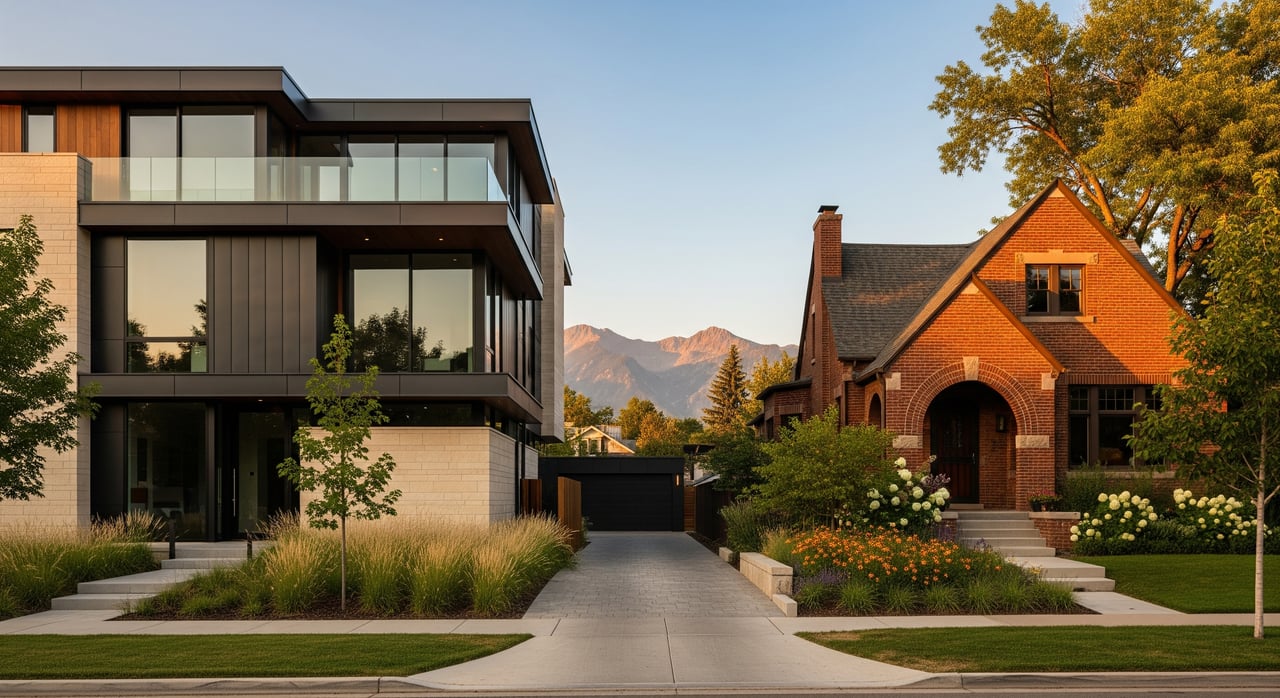
Thinking about a sleek new build or a classic Denver charmer? You are not alone. Many buyers compare new construction with resale to find the best fit for budget, timeline, and lifestyle. In this guide, you will learn how inventory, pricing, incentives, timelines, warranties, and carrying costs stack up in Denver so you can move forward with clarity. Let’s dive in.
Denver inventory at a glance
Denver offers two different supply streams: resale homes listed on the MLS and new construction from national and local builders. Resale inventory appears where homeowners choose to sell, so it can be scattered across established neighborhoods. New construction tends to release in phases based on builder timelines, land availability, and permits.
Where you will find each
- New construction often clusters in master-planned communities or subdivisions around the city’s edges and nearby suburbs. In central areas, you may see smaller infill projects at higher lot costs.
- Resale homes are more evenly distributed and appear when owners list. This means more variety by neighborhood, lot size, and style.
What you will see inside
- New homes usually offer modern floorplans, energy-efficient systems, and a consistent set of finishes with options through a design center. Community amenities and HOA-managed areas are common.
- Resale homes deliver character, mature landscaping, and broader architectural variety. Some may be updated, while others present renovation opportunities.
Price, value, and the new-home premium
New construction often carries a premium for new systems, contemporary layouts, and the reduced short-term maintenance you get on day one. Builders may add lot premiums for views or location, and option packages can drive the final price.
Resale pricing is shaped by neighborhood comparables, property condition, and unique features such as mature trees or larger lots. While older homes may list lower, you should budget for maintenance and potential upgrades to reach your ideal standard.
What drives new construction pricing
- Base price plus lot premiums and design selections.
- Community demand, builder reputation, and phase of development.
- The perceived value of lower immediate maintenance and newer systems.
How resale values behave
- Neighborhood desirability and local comps matter most.
- Property condition and recent improvements carry real weight.
- The opportunity to renovate can be a value lever if you have the time and appetite for projects.
Incentives and negotiation in Denver
How you negotiate differs between builders and individual sellers. Builder offers are often presented as structured incentives, while traditional sellers focus on price and repair credits.
Builder incentives you can use
- Upgrade credits at the design center, appliance or landscaping packages.
- Closing-cost help or contributions toward a temporary rate buydown.
- Price adjustments on spec or model homes, especially when a quick close is preferred.
Always review the builder’s contract and any conditions tied to incentives, such as using a preferred lender or limits on change orders. The terms can affect your flexibility and final costs.
Resale concessions and leverage
- Seller-paid closing costs, inspection repair credits, and price reductions are common levers.
- Your leverage often depends on days on market, local supply-demand dynamics, and the seller’s timeline.
- Micro-market factors by neighborhood can shift quickly, so rely on fresh comparables.
Timeline and carrying costs
Your timeframe and risk tolerance play a big role in choosing between new and resale.
Typical closing times
- Resale homes: often 30 to 60 days from contract to close, depending on financing and contingencies.
- New construction spec or model homes: timelines can resemble resale once financing and paperwork are ready.
- Build-to-order homes: commonly 4 to 12 months, depending on complexity, options, and builder backlog.
Managing double payments and rate risk
- Double mortgage exposure: if you must sell a current home but your new build is months out, you may face overlapping payments for mortgage, taxes, HOA dues, utilities, and insurance.
- Rate exposure: mortgage rates can change during a long build. Some builders offer rate lock or buydown programs. Review terms carefully so you understand lock periods and fees.
- Holding costs: depending on the contract structure, lot purchase and construction timing can trigger tax or insurance obligations during the build.
- Cost escalation: some builder contracts include escalation clauses for materials and labor. Ask whether the price is fixed and what protections you have.
Warranty, inspections, and peace of mind
New homes come with structured warranties, while resale homes rely on inspections, disclosures, and any transferable manufacturer coverage.
What a builder warranty usually covers
Many builders follow a “1-2-10” structure:
- 1 year for workmanship and materials.
- 2 years for major systems such as electrical, plumbing, and HVAC.
- 10 years for major structural components.
Coverage and claims processes vary by builder and state, and a third-party warranty company may administer claims. Ask for warranty documents upfront and read the claim steps and timelines.
Inspect every home, new or not
- New construction: hire an independent inspector for pre-drywall (if allowed) and final walkthrough. Inspectors can catch installation issues and code items.
- Resale: order a full home inspection and consider specialized checks such as sewer scope, roof, pest, and HVAC based on age and condition.
HOA and community considerations
New communities may have HOA budgets that evolve as the neighborhood builds out. Ask for governing documents, dues, and projected assessments. In resale neighborhoods, review existing HOA budgets, reserve studies, and any recent special assessments. Understanding dues and reserves helps you compare total cost of ownership across options.
Quick decision checklist
Use this checklist to compare a specific new build with a resale home side by side.
For new construction
- Is the home spec/model or build-to-order? What is the estimated completion date and what could delay it?
- What incentives are currently offered? Are they tied to a preferred lender or title company?
- Are prices and lot premiums negotiable? What is the change-order policy and cost?
- What exactly does the warranty cover and how do you file a claim?
- Who completes landscaping and final grading, and when?
- What are the HOA documents, dues, and community covenants? Any planned assessments?
- Can the builder share recent buyer references and completed projects?
For resale homes
- How long has the property been on the market and how have similar homes performed nearby?
- Are the seller disclosures complete? What is the permit history for recent work?
- What are the age and condition of roof, HVAC, plumbing, and electrical systems?
- Are seller-paid closing costs or repair credits realistic based on current demand?
Verify with professionals and records
- Building permits and inspections history with the city or county.
- Recent comparable sales for both new and resale in the area.
- Property tax history and assessed value trends.
- HOA budgets, reserves, and CC&Rs in new and established communities.
Which path fits your goals?
Choose new construction if you value modern systems, predictable layouts, and warranty coverage, and you can accept a longer timeline or a premium for newness. A move-in ready spec home can blend new-home benefits with a faster closing.
Choose resale if location choice, mature landscaping, and quicker closings matter most, and you are comfortable budgeting for maintenance or targeted upgrades. The right resale can deliver strong value, especially if you negotiate well.
If you want a side-by-side analysis of your short list, personalized to Denver’s current conditions, reach out. You will get clear guidance on pricing, incentives, timelines, and total cost of ownership so you can buy with confidence. To get started, contact Christopher Guillan to Request a confidential market consultation.
FAQs
Will I pay more for new construction in Denver?
- Often yes. New homes commonly command a premium for new systems, modern layouts, and finishes, though builder incentives and market conditions can offset part of the difference.
How long does a new build take compared with resale?
- A resale closing is often 30 to 60 days, while a build-to-order home commonly runs 4 to 12 months or more; move-in ready spec homes can close on a resale-like schedule.
Do builders negotiate on price or terms?
- Builders are more likely to offer upgrade credits, closing-cost help, or rate buydowns, and may negotiate more on spec or model homes; base pricing on custom orders tends to be firmer.
What is typically covered by a new-home warranty?
- Many builders use a 1-2-10 approach: 1 year for workmanship and materials, 2 years for systems, and 10 years for major structural items; coverage specifics vary by builder.
Are inspections necessary for new construction?
- Yes. Independent inspections at pre-drywall (if allowed) and final walkthrough can catch installation or code issues that builder quality checks may miss.
How do carrying costs differ between new and resale?
- New builds with longer timelines can create overlapping costs if you still own your current home, and interest rates may change before closing; resale closings typically shorten that exposure.