Dreaming about a quiet base in the mountains where you can hike Rocky Mountain National Park by day and relax by the fire at night? Buying a second home in Estes Park can be a great move, but the details matter more here than in many markets. In this guide, you’ll learn how licensing, taxes, insurance, weather, and maintenance shape a smart purchase. Let’s dive in.
Market basics in Estes Park
Estes Park is a small, seasonal market with limited inventory. Recent snapshots from major data sites vary, with median prices ranging from the high 600s to the low 800s depending on method and timing. That spread reflects seasonal sales volume, property type mix, and whether you look at sold prices or value indexes. The best approach is to compare multiple sources, local MLS comps, and recent sales for your specific property type.
If you want year-round access and quick trips to services, focus on in-town or lower-elevation locations with well-plowed streets. If views and proximity to RMNP are your top priorities, expect premiums and more seasonal access considerations. Your intended use should guide the search.
Property types to compare
- Condos or townhomes: Lower upkeep and often connected to town utilities. HOA rules may limit rentals.
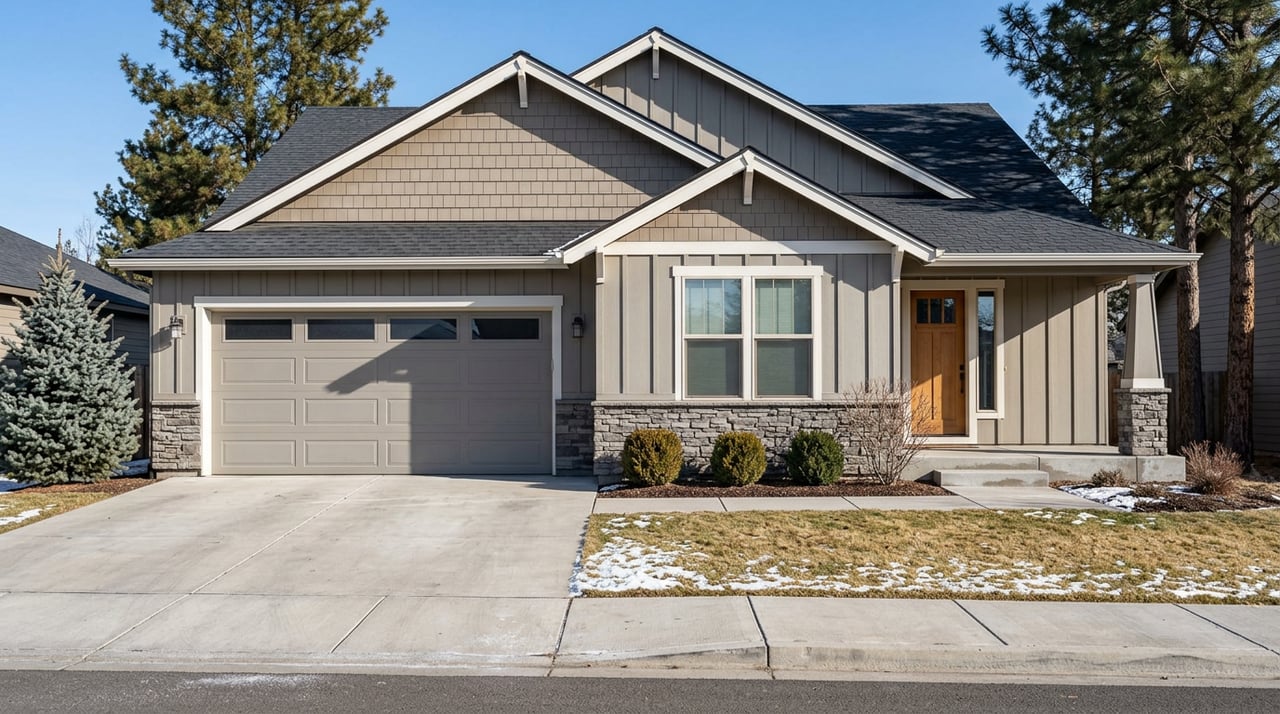
- Single-family cabins or homes: More privacy and land, sometimes with well and septic. Snow management, driveway grade, and roof design affect maintenance.
- Always confirm zoning and HOA rules before you write an offer. If you plan to rent, review the Town’s vacation home rules early using the Town of Estes Park vacation home licensing page.
Short-term rentals and licensing
If you plan to rent your second home for stays under 30 days, licensing rules are central to your decision. Inside Town limits, a Vacation Home License is required. Occupancy in residential zones is generally 2 persons per bedroom plus 2, with a typical cap of 8. New licenses require a life-safety inspection, renew annually, and are subject to a residential cap and periods of moratorium or waitlist. The Town also assesses a workforce-housing linkage fee on licensed vacation homes and prohibits outdoor solid fuel burning at licensed properties. Start with the official Town guidance on vacation home licensing.
Outside Town limits in unincorporated Larimer County, rules differ and have their own application, inspections, and caps. Before you count on rental income, verify whether the parcel is inside Town limits or under County jurisdiction and check current County requirements and caps using an overview of Larimer County short-term rental rules.
Nightly lodging and sales taxes apply to STR bookings. Local reporting cites a combined rate commonly referenced around 14.2 percent in the Estes Valley Local Marketing District, which includes a Visit Estes Park component that helps fund workforce housing and childcare. Plan to register, collect, and remit these taxes on bookings, and confirm current rates with the Town and Visit Estes Park using recent local coverage on lodging taxes.
STR steps before you buy
- Confirm whether the property can qualify for a Town or County STR license and whether caps or a waitlist apply using Town vacation home licensing guidance.
- Budget licensing, inspections, the linkage fee, and a local responsible agent who can respond promptly.
- Verify if any existing license is transferable and how that affects resale or operations.
- Model your net revenue after management, cleaning, platform fees, and lodging taxes. Conservative assumptions protect your plan.
Seasonal access and mountain realities
Trail Ridge Road inside RMNP is one of the region’s iconic drives, but it is typically closed to through traffic in winter. That shapes winter travel patterns and guest itineraries. In peak season, RMNP uses timed-entry reservations for certain entrance windows, which affects demand and arrival planning. You can check current road status directly from the National Park Service road status page.
Winter comes early and stays late at 7,500 feet. Expect snow and ice in shoulder seasons, higher winter heating use, and the need for snow-ready vehicles and contractors for plowing. The National Park Service weather page for Estes Park provides a helpful climate overview.
Floodplains and 2013 lessons
The 2013 Front Range floods reshaped local planning. The Town has updated floodplain studies and participates in FEMA map work. Before you buy, check whether a property sits in a Special Flood Hazard Area and understand any elevation or permit requirements. Start with the Town of Estes Park floodplain resources.
Flood insurance is not part of standard homeowners coverage. NFIP policies are available in most participating communities, and premiums depend on current FEMA mapping and lender requirements. Always verify mapping and insurance implications during due diligence using the Town’s floodplain guidance.
Wildfire exposure and mitigation
Estes Valley lies in the wildland-urban interface. Local fire officials provide home-risk assessments, defensible-space guidance, and updates through a Community Wildfire Protection Plan. Mitigation can reduce risk and may influence insurance availability and pricing. Use the Estes Valley Fire Protection District WUI resources to plan and document your mitigation.
Costs, taxes, and insurance
Property taxes in Larimer County are moderate compared with many U.S. counties. A common rule of thumb puts the effective rate near 0.5 percent on average, though your bill depends on your specific tax area and mill levies. For budgeting, confirm assessed value and current mill levies with the county. The Tax Foundation offers county-level property tax context for Larimer County.
Homeowners insurance in mountain areas has seen rising premiums due to hail, wind, wildfire, and heavy snow risks. Colorado’s HB25-1182, signed in 2025, requires insurers that use wildfire or catastrophe models to account for property and community mitigation and to disclose scores and discounts. This applies to policies issued or renewed on or after July 1, 2026. Ask carriers how your mitigation steps will be credited and get quotes during due diligence. Review the Colorado HB25-1182 bill for details.
Remember that flood insurance is separate from homeowners policies. If a lender requires it, premiums will reflect FEMA flood maps and your property’s elevation and features. Check the Town floodplain resources to understand requirements.
Other recurring costs to plan for include utilities, HOA dues, snow removal, seasonal maintenance, garbage service, and STR operating expenses if you plan to rent.
Choose the right property for your use
- Mostly personal retreat: Favor low-maintenance condos or townhomes on town utilities. Look for good insulation and easy winter access rather than maximum bedroom count.
- Mix of personal use and part-time rental: Choose homes with durable finishes, straightforward parking and access, and a layout that supports guest turnover. Confirm STR eligibility before you rely on income using Town vacation home licensing guidance.
- Primarily STR investment with limited personal use: Evaluate properties in commercial or accommodation zones where different rules may apply. Budget for full management and compliance systems. When in doubt, confirm details with Town staff.
Due diligence checklist
- Jurisdiction check: Confirm if the parcel is inside Town limits or unincorporated Larimer County. Start with the Town’s vacation home licensing page.
- STR eligibility and caps: Ask if a transferable license exists or if caps and waitlists limit new residential licenses. Use Town licensing guidance.
- Local manager: Verify you can meet local responsible-agent response requirements. Town licensing guidance outlines expectations.
- Flood and wildfire risk: Review the Town floodplain page and schedule a home assessment through the Estes Valley Fire Protection District.
- Insurance quotes: Get written quotes for homeowners, liability, and flood if applicable. Ask carriers how mitigation will be credited under HB25-1182. Read HB25-1182 for timing and details.
- Taxes and financing: Confirm tax area and mill levies with the county and discuss mortgage interest and rental tax treatment with your CPA. For a quick context check, review Larimer County’s effective property tax data from the Tax Foundation and read about the IRS 14-day rule for vacation homes.
- Utilities and septic: Verify water and sewer connections or well and septic details, winter service access, and any special district fees.
Working with a trusted local advisor
Second-home purchases in Estes Park reward careful planning. From STR licensing and lodging taxes to wildfire mitigation and seasonal access, small details can shift outcomes and carrying costs. You deserve clear guidance and a calm, data-backed process that fits how you plan to use the home.
If you are ready to map your search, model costs, or sanity-check a property’s STR path, reach out to an advisor who blends luxury market experience with technical know-how. Connect with Christopher Guillan for a confidential market consultation.
FAQs
What are the short-term rental rules inside Estes Park?
- Inside Town limits, you need a Vacation Home License for stays under 30 days, with occupancy typically 2 persons per bedroom plus 2 up to 8, life-safety inspections, annual renewal, caps or waitlists, and a workforce-housing linkage fee; review the Town’s vacation home licensing page for current rules.
How much are lodging taxes on STR bookings?
- Local reporting cites a combined rate commonly referenced around 14.2 percent in the Estes Valley Local Marketing District; confirm current components with the Town and Visit Estes Park using recent coverage on lodging taxes.
Is Trail Ridge Road open year-round for access?
- No; Trail Ridge Road inside RMNP typically closes to through traffic in winter and reopens in late spring depending on snow, so check the National Park Service road status page before travel.
How does wildfire risk affect insurance in Estes Park?
- Insurers consider wildfire exposure and mitigation; Colorado HB25-1182 requires transparency and credits for mitigation on policies issued or renewed on or after July 1, 2026, so document defensible space and ask carriers how it impacts pricing.
Do I need flood insurance on a second home in Estes Park?
- If your lender requires it or the property lies in a Special Flood Hazard Area, you may need an NFIP policy; verify mapping and requirements using the Town’s floodplain resources.
What is a realistic property tax estimate in Larimer County?
- A rough average effective rate is near 0.5 percent, but actual taxes depend on assessed value and local mill levies; consult the Tax Foundation context and confirm your levy with the county.
How will the IRS treat mixed personal and rental use?
- The 14-day or 10 percent tests determine whether you must report rental income and how expenses are allocated; read a summary of the IRS 14-day rule and consult your tax advisor for specifics.